
DailyPetCare Blog
Winter With a Dog – Paw Protection and Hypothermia Risk
How to protect a dog's paws from salt and frost, and how to recognize the risk of hypothermia in winter. A practical guide for owners of dogs of any breed.
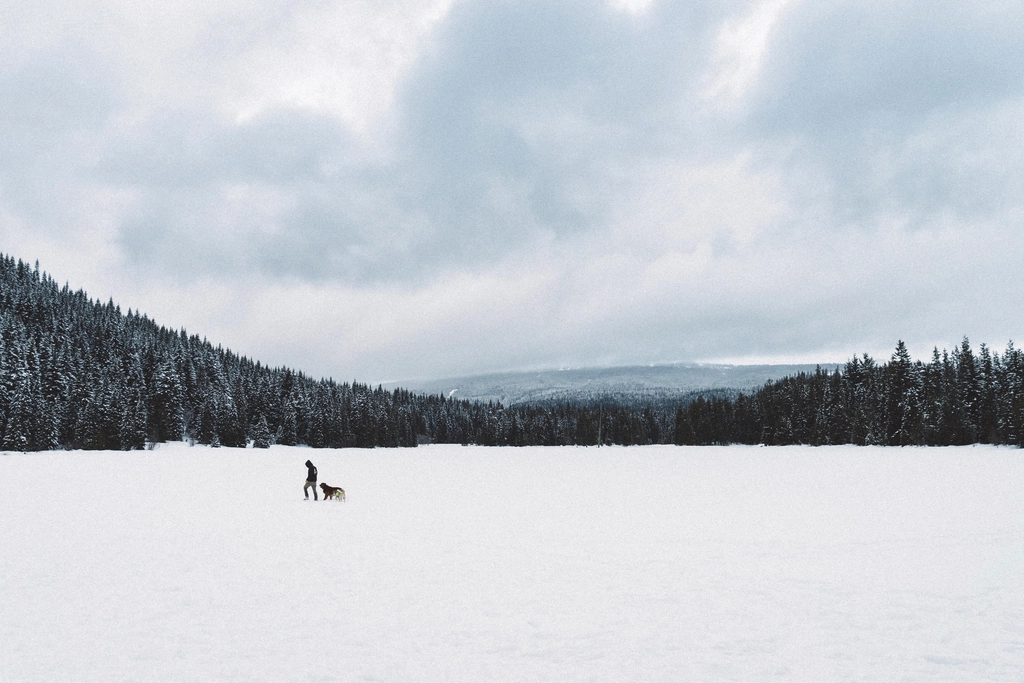
How to protect a dog's paws in winter from frost and salt
In winter, a dog's paws are most at risk – road salt dries out and irritates the pads, and frost increases the risk of frostbite and hypothermia. It's worth washing and drying the paws after every walk, and applying protective balm before heading out.
Small, short-haired dogs and puppies should spend less time in the cold than breeds with a dense undercoat – at temperatures below -7°C, it's worth shortening walk time to 15–30 minutes and watching the dog's behavior. Shivering, lifting the paws, or reluctance to keep walking are signals to head back home.
How to protect a dog on winter walks
Here are the key rules for freezing days:
- Applying balm to the paws before a walk – petroleum jelly, shea butter, or a dedicated balm protect the pads from salt and frost.
- Washing and drying the paws after a walk – removes salt residue and prevents irritation between the toes.
- Coats for short-haired and small breeds – chihuahuas, boxers or Dalmatians get cold faster than breeds with an undercoat.
- Shorter walks in severe frost – below -7°C, it's worth limiting time outside to 15–30 minutes.
- Watching behavior during the walk – shivering and lifting the paws are a signal it's time to head back.
Why paws and body temperature need special attention in winter
The skin between the paw pads is much more delicate than the rest of the body, and constant contact with salt and chemical de-icers leads to dryness, cracking and painful irritation, which is easy to miss if you don't check the paws regularly. Contrary to what it might seem, short-haired breeds, even though they often look tough, are more vulnerable to getting cold than dogs with a dense undercoat, because their coat doesn't insulate the body as effectively.
Hypothermia develops gradually, and the first signs – shivering, slowing down, wanting to curl up – are easy to miss during a normal walk. That's why it's key to react to the very first signal, rather than waiting until a dog is visibly limping or shivering. A good rule: watch your dog more closely than usual on freezing days, instead of sticking to a pre-planned walk length.
Small dog, senior, or a breed with an undercoat – how to adjust winter walks
If you have a small or short-haired dog (chihuahua, Jack Russell), it's worth considering a coat for walks and shortening time outside compared to larger breeds.
If you have a dog with a dense undercoat (husky, Samoyed), it can spend more time in the cold, but it's still worth checking the paws after every walk.
If your dog is a senior or has joint problems, frost and slippery surfaces increase the risk of falls – it's worth choosing safer, cleared routes.
If you live in a city with heavy sidewalk salting, washing the paws after every outing matters more than in the countryside, where salt is used less often.
The most common mistakes in caring for a dog in winter
Skipping the paw wash after a walk is a common mistake – salt residue stays on the skin and can lead to irritation that becomes painful over time.
Another mistake is assuming a short-haired breed will "just cope somehow" without a coat – such dogs get cold faster than breeds with an undercoat.
A frequent mistake is also ignoring the first signs of getting cold (shivering, slowing down) and continuing a long walk.
The last mistake: not applying protective balm to the paws before heading out, which increases the risk of cracking and irritation from salt and frost.
FAQ – frequently asked questions about winter with a dog
How do you protect a dog's paws from road salt?
A dog's paws are protected by applying balm or petroleum jelly before a walk, and by washing and thoroughly drying the pads afterward to remove any salt residue.
How long can a dog spend in freezing temperatures?
At temperatures below -7°C, it's worth limiting walk time to 15–30 minutes, especially for small and short-haired breeds – dogs with an undercoat tolerate frost longer.
How do you recognize hypothermia in a dog?
The first signs of hypothermia are shivering, slowing down, and reluctance to keep walking – in that case you need to get back to a warm place as soon as possible.
Do breeds with a dense coat need winter coats?
Breeds with a dense undercoat usually don't need coats, unlike short-haired and small dogs, which get cold faster.
Is road salt harmful to a dog's paws?
Road salt is harmful to a dog's paws – it dries out the pads and can cause cracking and irritation of the skin between the toes.
What should you focus on in winter?
Winter walks require attention on two fronts: protecting the paws from salt and frost, and watching for signs of the whole body getting cold. Matching walk length to breed and temperature helps avoid both problems. If you notice clear signs of hypothermia or frostbite in your dog, that's a signal for a vet visit, not just home observation.
How can DailyPetCare help?
DailyPetCare lets you track your dog's walks and log health observations, making it easier to spot whether winter routes are safe and well matched to the weather.
You might also like
Puppy Vaccination and Deworming Schedule
When to vaccinate and deworm a puppy – a full week-by-week schedule, including the rabies vaccination.
How to Prepare a Dog for Hot Weather – Heatstroke and Hydration
How to protect a dog from the heat, recognize the first signs of heatstroke, and react when it happens. A practical guide for summer.
Take care of your pet with DailyPetCare
Log walks, health, medication, photos and the most important moments of your pet's life in one place.
Download the app