
DailyPetCare Blog
How to Prepare a Dog for Hot Weather – Heatstroke and Hydration
How to protect a dog from the heat, recognize the first signs of heatstroke, and react when it happens. A practical guide for summer.
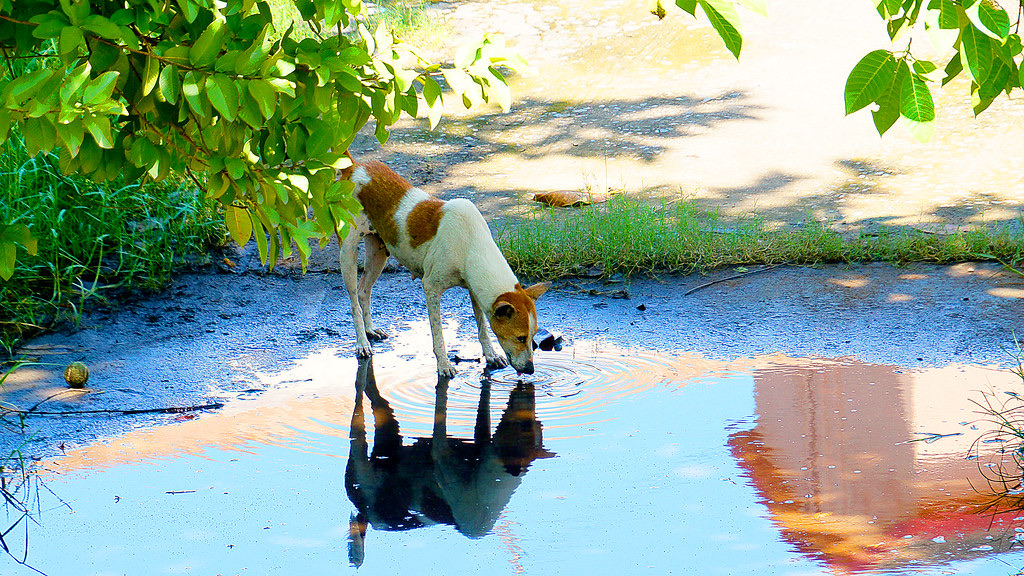
How to protect a dog from overheating on hot days
A dog is protected from heat mainly through access to water, shade, and walks scheduled for the early morning or evening hours. The first signs of overheating are rapid panting, bright red gums and thick saliva – that's when you need to act right away.
The sequence for suspected heatstroke is simple: recognize the symptoms, move the dog into shade, cool it with cool (not ice-cold) water, ensure airflow, and drive straight to the vet. Short-muzzled breeds (bulldogs, pugs) and dogs with dark fur are especially vulnerable and need extra caution on hot days.
How to protect a dog from the heat – the key rules
Here are the key rules for hot days:
- Walks early in the morning or late in the evening – avoiding the highest temperatures in the middle of the day.
- Constant access to fresh water and shade – both on walks and at home.
- Skipping intense training – short, calm walks are enough on hot days.
- Checking surface temperature – hot asphalt can burn paw pads.
- High-water-content snacks – such as a piece of seedless watermelon, as extra hydration.
Why some dogs are more prone to overheating
The risk of overheating isn't the same for every dog – it depends on build, coat and overall health. Brachycephalic breeds (with short muzzles, like French bulldogs, pugs or boxers) have a harder time cooling down through breathing, so they're much more prone to heatstroke than long-muzzled breeds. Dogs with dark fur absorb more solar heat, and older, overweight dogs or those with heart and respiratory conditions have less reserve for coping with high temperatures.
Hydration is a key part of prevention, since dehydration deepens the risk of overheating – a dry tongue, dry mucous membranes and reduced skin elasticity are signs a dog isn't drinking enough. It's worth remembering that a dog doesn't always signal the need to drink at the right moment, so on hot days it's better to actively offer water more often than usual, rather than waiting for the dog to approach the bowl on its own.
Short-muzzled breed, senior or puppy – what matters most in summer
If you have a brachycephalic dog (pug, bulldog), the priority is avoiding exertion in the heat under any conditions – if you have a long-muzzled dog, the risk is lower but still calls for caution in high humidity.
If your dog is a senior or has heart disease, walks in the heat need to be shortened more than for a healthy adult dog – if the dog is young and healthy, standard caution is enough.
If you live in a city without access to grass or natural water, it's worth bringing water on walks – if you have a garden with shade, the dog can spend time outside without extra preparation.
If you're planning a car trip on a hot day, never leave a dog in a parked car even for a moment – the temperature inside rises far faster than it seems.
The most common mistakes on hot days
Leaving a dog in the car "for a moment" is one of the most dangerous mistakes – the temperature in a parked car can rise to a life-threatening level within minutes.
Another mistake is intense training or a long walk in the hottest part of the day, despite visible signs of tiredness in the dog.
A frequent mistake is also cooling a dog with very cold or ice-cold water – this can cause thermal shock instead of helping.
The last mistake: ignoring the first signs of overheating (rapid panting, red gums) while hoping "it'll pass on its own."
FAQ – frequently asked questions about heat and dogs
What are the first signs of heatstroke in a dog?
The first signs are very rapid, shallow panting, thick or foamy saliva, and bright red gums and tongue – at this stage you already need to act.
What should you do if a dog has heatstroke?
If heatstroke is suspected, move the dog into shade, cool it with cool, not ice-cold, water, ensure airflow, and drive straight to the vet.
Which dogs are most at risk of overheating?
The most at-risk dogs are brachycephalic breeds (pugs, bulldogs), older or overweight dogs, dogs with dark fur, and those with heart or respiratory conditions.
How long can you walk a dog on a hot day?
On very hot days, walks are best limited to short outings early in the morning or late in the evening, avoiding the middle of the day and intense exertion.
Can you cool a dog with ice-cold water?
It's not a good idea to cool a dog with ice-cold water – too great a temperature difference can trigger thermal shock; cool, lukewarm water is better.
Why does a fast reaction save lives?
The biggest risk on hot days is delay – heatstroke develops quickly, and the first signs are easy to miss. Knowing the warning signs and reacting fast can save a dog's life. The first aid described here doesn't replace a vet visit, though – it should always be followed by a consultation with a specialist as soon as possible.
How can DailyPetCare help?
DailyPetCare lets you log your dog's walks and health observations, making it easier to match the timing and length of activity to the temperature and to spot worrying changes on hot days.
You might also like
Puppy Vaccination and Deworming Schedule
When to vaccinate and deworm a puppy – a full week-by-week schedule, including the rabies vaccination.
How to Tell a Dog Is Sick – Warning Signs
Learn which symptoms may indicate illness in a dog, and which ones require an immediate vet visit – without waiting until morning.
Take care of your pet with DailyPetCare
Log walks, health, medication, photos and the most important moments of your pet's life in one place.
Download the app