
DailyPetCare Blog
Senior Dogs – How Care Changes After Age 7
When does a dog become a senior, and how does its care change? Find out which signs of aging to watch for and how often to schedule exams.
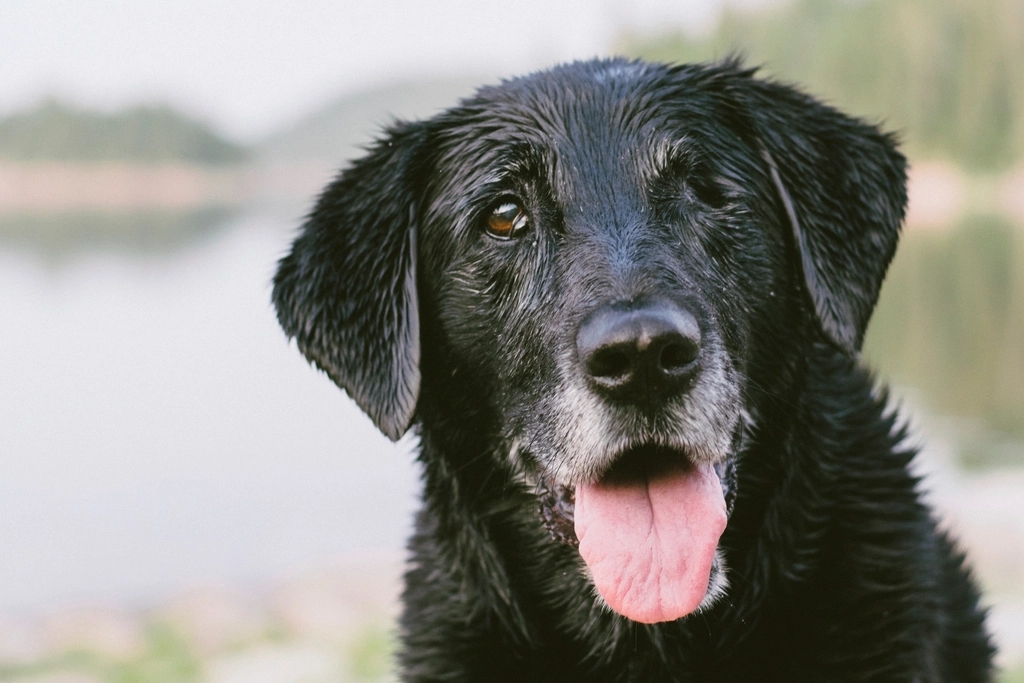
When does a dog become a senior
A dog usually becomes a senior after age 7, though small breeds enter this stage later, and giant breeds already by age 5–6. Past that point, it's worth increasing the frequency of check-ups and adjusting the diet to a slower metabolism.
Dogs up to age 7 can be examined once a year, while seniors – even every 6 months, since aging organs (kidneys, liver, heart) and a weaker immune system need problems caught earlier. Typical signs of aging include a stiffer gait, longer sleep, changes in appetite, and increased thirst.
How care for a senior dog changes
Here are the key changes worth making:
- Check-ups every 6 months – more often than for an adult dog, even if the dog looks healthy.
- A full annual diagnostic workup – blood count, blood chemistry, urinalysis, and often an ultrasound and echocardiogram too.
- A diet matched to a slower metabolism – fewer calories while keeping full nutritional value.
- Shorter, calmer walks – matched to exercise tolerance and joint condition.
- Watching for behavior changes – stiffness, longer sleep, or uncertainty in the dark can signal a specific health issue.
Why aging in a dog calls for a different approach than prevention in an adult dog
Aging in a dog isn't just general slowing down, but a set of specific changes in the body that call for a different rhythm of care. Metabolism slows, which, with an unchanged diet, leads to weight gain – and excess weight strains a senior's joints and heart more than a younger dog's. At the same time, aging internal organs, like the kidneys and liver, can start working less well without any visible symptoms for a long time.
That lack of visible symptoms is exactly why more frequent check-ups make sense – catching a kidney or heart problem at the blood-test stage, before symptoms appear, gives a much better chance of effective treatment or disease control. Watching everyday behavior (gait, appetite, amount of sleep, need to drink) therefore becomes just as important as vet visits – it's the owner who notices the first deviations fastest.
Small breed, large breed, a dog with a chronic condition – what takes priority
If you have a small-breed dog, the senior stage starts later (age 8–10) than for large breeds – if you have a large or giant breed, it's worth increasing exam frequency from age 6–7.
If your senior dog already has a diagnosed chronic condition (such as heart or kidney disease), check-ups should be more frequent than the standard six months – if it's healthy, six months is a good starting point.
If a senior dog has joint problems, the priority is shorter, more frequent walks on soft ground – if there are no such problems, longer but calmer routes can be kept.
If there's also a younger dog at home, it's worth separating the intensity of play and walks, so the senior isn't forced to keep pace with a younger companion.
The most common mistakes in caring for a senior dog
Treating a dog's slowing down as "normal aging" without consulting a vet is a common mistake – some symptoms can be treated or managed if caught early.
Another mistake is leaving the diet unchanged once a dog enters its senior years – this often leads to unnoticed weight gain.
A frequent mistake is also less frequent check-ups than for an adult dog, even though a senior needs them more often, not less.
The last mistake: forcing a senior dog into the same level of physical activity as in its youth, which can overload already weaker joints and heart.
FAQ – frequently asked questions about senior dogs
From what age is a dog considered a senior?
A dog is usually considered a senior from age 7, though small breeds enter this stage later (age 8–10), and giant breeds already at age 5–6.
How often should a senior dog be examined by a vet?
A senior dog is worth examining every 6 months, even if it looks healthy – more often than an adult dog, which only needs a yearly exam.
What signs of aging in a dog are worth watching for?
It's worth watching for a stiffer gait after resting, longer sleep, changes in appetite, increased thirst, and worsening eyesight or hearing.
Should a senior dog's diet differ from an adult dog's?
A senior dog's diet should have fewer calories due to a slower metabolism, but still full nutritional value – ideally set with a vet.
Does a senior dog need less exercise than an adult dog?
A senior dog usually needs shorter, calmer walks, but regular movement is still important – its absence speeds up the loss of joint and muscle condition.
How do you extend a dog's active years?
Caring for a senior dog is built on more frequent observation and catching problems earlier, not waiting until symptoms become obvious. Regular exams and a matched diet help extend a dog's active years. The scope and frequency of exams should ultimately be set by a vet, matched to specific conditions and the dog's health history.
How can DailyPetCare help?
DailyPetCare lets you track your senior dog's weight, check-ups and behavior changes on one timeline, making it easier to spot a deviation from the norm and discuss it with a vet.
You might also like
Puppy Vaccination and Deworming Schedule
When to vaccinate and deworm a puppy – a full week-by-week schedule, including the rabies vaccination.
How to Prepare a Dog for Hot Weather – Heatstroke and Hydration
How to protect a dog from the heat, recognize the first signs of heatstroke, and react when it happens. A practical guide for summer.
Take care of your pet with DailyPetCare
Log walks, health, medication, photos and the most important moments of your pet's life in one place.
Download the app