
DailyPetCare Blog
Obesity in Dogs and Cats – How to Spot It and What to Do
You can recognize obesity in a dog or cat by touch, not just weight. Find out how to assess your pet's condition and how to safely reduce its body mass.
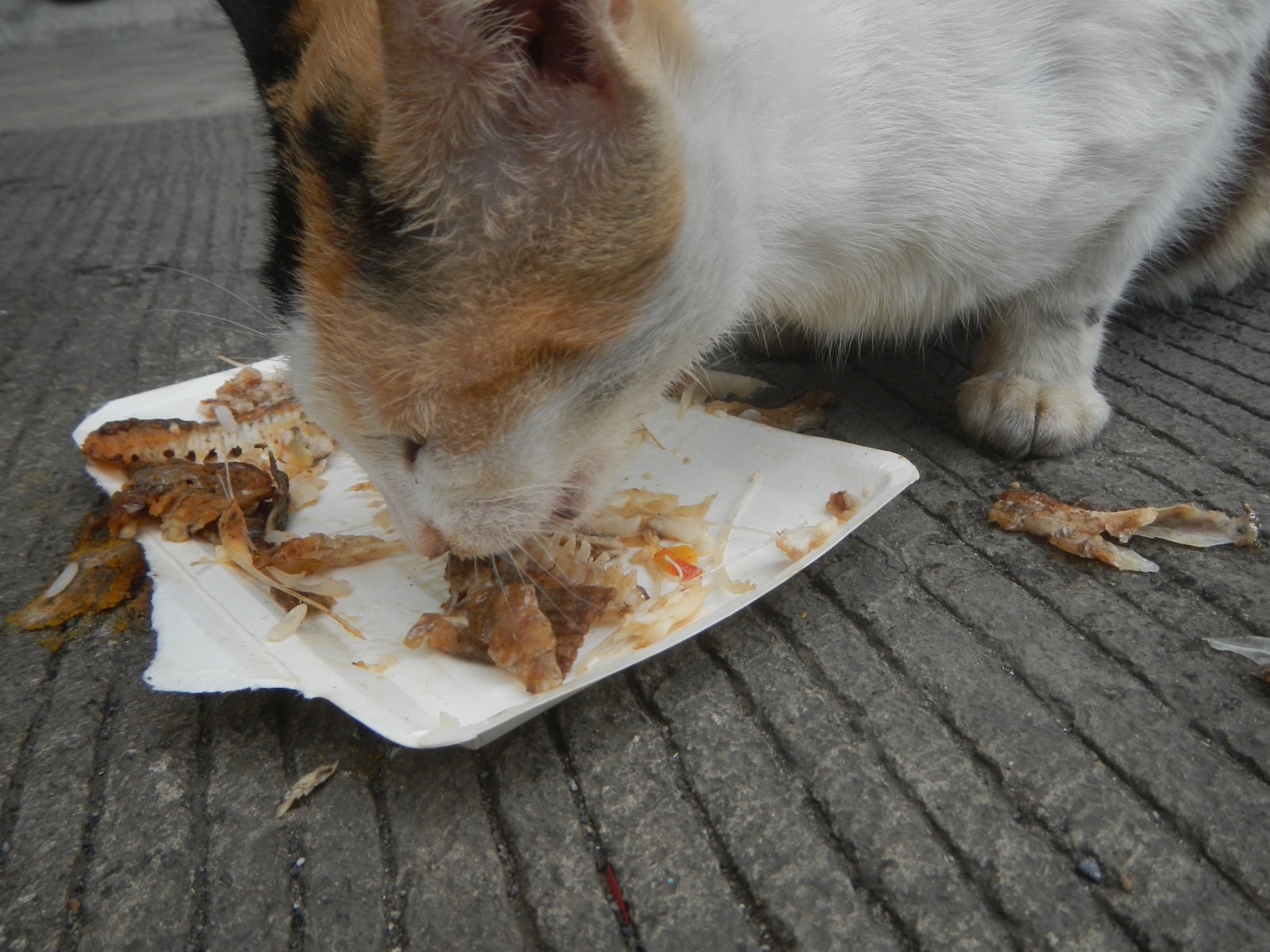
How to recognize obesity in a dog or cat
Obesity in a dog or cat isn't recognized by weight alone, but by touch: if the ribs are hard to feel under the skin and there's no visible waist from above, your pet most likely has excess weight. The best first step is a vet visit and setting a diet together.
Dogs are considered overweight at 10–20% above ideal body weight, and obese above 20%; in cats, the obesity threshold is around 30% above normal. Weight reduction should be gradual and supervised by a vet – sudden fasting, especially in cats, can be dangerous for the liver.
How to check at home whether a pet is overweight
Here are the simplest at-home ways to assess a dog's or cat's condition:
- The rib test – ribs should be felt under a thin layer of tissue, without needing to press hard.
- View from above – an animal at a healthy weight shows a clear waist tuck behind the ribs.
- View from the side – the belly should be tucked up, not hang in a straight line.
- Regular weighing – ideally monthly, on the same scale and under similar conditions.
- Watching energy level – a sudden drop in willingness to move can go hand in hand with weight gain.
Where obesity comes from and why it's worth treating
Obesity in pets arises from a combination of two factors: too much food and too little physical activity. Treats, table scraps and uncontrolled food portions add up to calories much faster than an owner might think – a small snack for a dog or cat is proportionally a much bigger dose of energy than it would be for a person.
Treating obesity matters because excess fat tissue strains the joints, heart and respiratory system, increases the risk of diabetes, and shortens life expectancy. In cats, an additional risk is hepatic lipidosis from losing weight too quickly, which is why a reduction diet must be gradual and supervised by a vet, not managed on your own.
When to change the diet, and when more exercise is enough
If your pet has only mild excess weight but is active and healthy, cutting back on treats and increasing exercise is often enough – if the weight doesn't drop after a few weeks, a switch to a diet food is needed.
If a dog or cat has clear obesity (more than 20–30% above normal), physical activity alone isn't enough – a vet consultation and a calorie-controlled food are needed.
If your pet is already older or has joint disease, diet is the priority, not more exercise – excessive exertion can worsen joint pain.
If there's more than one pet at home, portion control is harder – in that case it's better to feed separately and make sure no animal snacks from another's bowl.
The most common mistakes in fighting a pet's obesity
Treating treats as proof of love is the most common mistake – their excess easily exceeds daily calorie needs without the owner realizing it.
Another mistake is estimating portions "by eye" instead of measuring food according to the guidelines on the packaging or from a vet.
A frequent mistake is also sudden, drastic food restriction without a consultation – in cats, this can lead to dangerous hepatic lipidosis.
The last mistake: ignoring weight gain because "it's only a few kilograms" – in small dogs and cats, even a small excess of mass is proportionally a big strain on the body.
FAQ – frequently asked questions about obesity in pets
How can you check at home if a dog is overweight?
You can check if a dog is overweight by feeling its ribs (they should be easy to feel) and looking from above for a visible waist tuck – the absence of both suggests excess weight.
At what weight is a cat considered obese?
A cat is considered obese when it weighs around 30% more than its ideal body weight – the exact ideal weight is best set with a vet.
Is fasting a safe way to help a cat lose weight?
Fasting a cat isn't safe – sudden weight loss can lead to hepatic lipidosis, which is why weight reduction must be gradual and supervised.
Is changing food alone enough for a pet to lose weight?
Changing food alone usually isn't enough – measuring portions, cutting back on treats, and regular activity matched to health status are also needed.
How often should you weigh a dog or cat while it's losing weight?
While losing weight, it's worth weighing a dog or cat every 2–4 weeks on the same scale, to assess progress and adjust the diet with a vet if needed.
How not to miss a pet's excess weight
Obesity develops slowly and is easy to miss if you don't regularly assess your pet's condition by touch and weight. Early action and a gradual, supervised change in diet protect against more serious health consequences. The pace and method of weight reduction, especially in cats, should ultimately be set by a vet to avoid risks like hepatic lipidosis.
How can DailyPetCare help?
DailyPetCare lets you log your dog's or cat's weight over time and track its changes on a clear timeline, making it easy to spot a worrying trend before it becomes a serious problem.
You might also like
Puppy Vaccination and Deworming Schedule
When to vaccinate and deworm a puppy – a full week-by-week schedule, including the rabies vaccination.
How to Prepare a Dog for Hot Weather – Heatstroke and Hydration
How to protect a dog from the heat, recognize the first signs of heatstroke, and react when it happens. A practical guide for summer.
Take care of your pet with DailyPetCare
Log walks, health, medication, photos and the most important moments of your pet's life in one place.
Download the app