
DailyPetCare Blog
Senior Cats – What to Watch For
When does a cat become a senior, and which diseases are most common at that stage? Find out which behavior changes to react to and how to care for an older cat.
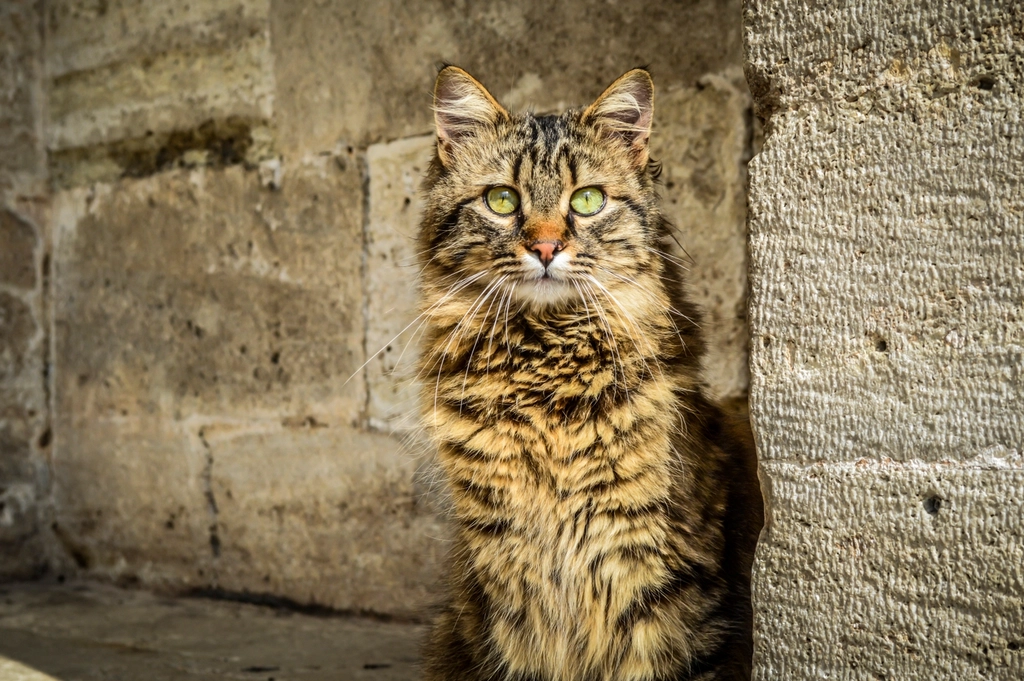
When does a cat become a senior
A cat enters its senior years around age 7–8, with the full signs of old age often appearing between 10 and 12. During this period, it's worth increasing how often you schedule check-ups and paying close attention to behavior changes, since cats show pain poorly.
Older cats more often develop hyperthyroidism, chronic kidney failure and hypertrophic cardiomyopathy – problems that are easy to miss, since they don't immediately show up as obvious pain or complaints. Regular blood and urine tests help catch these diseases before they develop into visible, more serious symptoms.
What to watch for in a senior cat
Here are the key signals worth watching for:
- A change in appetite or thirst – both an increase and a decrease can signal a hormonal or kidney problem.
- Fainting or episodes of weakness – may indicate heart problems, such as hypertrophic cardiomyopathy.
- Difficulty grooming – an older cat may stop grooming effectively, especially in hard-to-reach spots.
- Claws not wearing down properly – need more frequent checking and trimming than in a younger cat.
- Behavior changes – increased irritability, withdrawal, or a change in resting spots can indicate pain.
Why cats mask signs of aging better than dogs
Cats instinctively hide their ailments far more effectively than dogs, a holdover from wild ancestors for whom signs of weakness meant danger. This means that many senior illnesses – hyperthyroidism, kidney disease, lymphoma – can develop for months before an owner notices anything worrying, if they only watch for obvious symptoms.
That's why, in senior cats, a change in behavior is often the first and only signal before a disease becomes physically visible. Regular blood and urine tests, even without a specific suspicion, matter especially in this case – they let you catch deviations from the norm before a cat shows any outward symptoms at all.
Indoor cat, outdoor cat, or one with a chronic condition – what takes priority
If your senior cat is healthy and indoor-only, a check-up every 6–12 months is usually enough – if it already has a diagnosed chronic condition, the frequency of exams should be set individually by a vet.
If your senior cat is long-haired, the priority is regular brushing, since an older cat is often no longer able to groom its coat effectively on its own.
If you notice a sudden change in a cat's appetite or thirst, it's worth consulting about it right away, rather than waiting for the next scheduled exam.
If there's also a younger cat or dog at home, it's worth providing the senior with a quiet resting spot the younger animal doesn't have full access to.
The most common mistakes in caring for a senior cat
Treating increased sleep or reduced activity as "normal aging" without a consultation is a common mistake – sometimes it's the first sign of a treatable illness.
Another mistake is neglecting claw checks in an older cat – claws that don't wear down can grow into the paw pads and cause pain.
A frequent mistake is also feeding a senior cat the same way as a young one – a slower metabolism and different nutritional needs call for a change in diet.
The last mistake: less frequent check-ups than before, even though a senior needs them more often, not less.
FAQ – frequently asked questions about senior cats
From what age is a cat considered a senior?
A cat is usually considered a senior from age 7–8, with the full signs of old age most often appearing between 10 and 12.
What diseases are most common in senior cats?
The most common diseases in senior cats are hyperthyroidism, chronic kidney failure, hypertrophic cardiomyopathy, and lymphoma.
Why is it hard to notice that a senior cat is sick?
Cats instinctively mask pain and ailments, so behavior changes – appetite, activity, sleep – are often the first visible signal of illness.
How often should a senior cat be examined by a vet?
A healthy senior cat is worth examining every 6–12 months, and a cat with a chronic condition more often, according to the vet's individual recommendations.
Should a senior cat's diet differ from an adult cat's?
A senior cat's diet should have fewer calories and easily digestible protein, matched to a slower metabolism – ideally set with a vet.
Why does observation matter so much here?
Caring for a senior cat is built on observing subtle behavior changes and regular exams, since cats don't show pain as clearly as dogs. Early detection of a problem gives the best chance of effective treatment. Only a vet can make a diagnosis and set a treatment plan, though – the observations in this article are a first signal to consult, not a substitute for an exam.
How can DailyPetCare help?
DailyPetCare lets you log behavior changes, weight, and check-ups for your senior cat in one place, making it easier to spot a deviation from the norm.
You might also like
How Much Should a Cat Sleep – Norms and When to Worry
A cat can sleep as much as 18 hours a day, and that's normal. Find out how much sleep cats need at different ages and when a change in sleep rhythm should worry you.
Deworming a Cat – How Often and Why It Matters
How often to deworm an indoor and outdoor cat. Find out why even a cat that never goes outside needs regular deworming.
Take care of your pet with DailyPetCare
Log walks, health, medication, photos and the most important moments of your pet's life in one place.
Download the app