
DailyPetCare Blog
Multiple Pets in One Home – How to Organize Care
How to organize feeding, medication and dates for several pets in one home without chaos. Practical rules for owners of multiple pets.
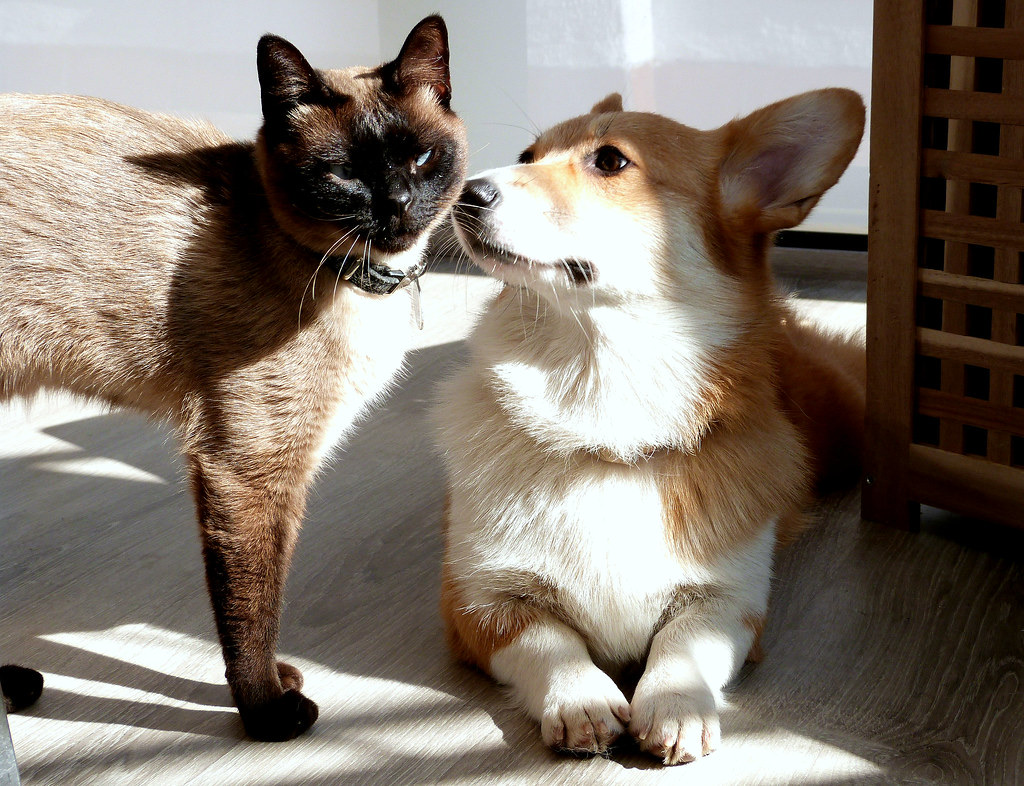
How not to mix up care for several pets at home
Caring for several pets in one home mainly needs one thing: a shared, written system that shows the feeding, medication and dates for each animal separately. Without it, it's easy to mix up doses, portions, or forget which animal has already been given its medication.
Each animal should have its own place to eat, to avoid snacking from another's bowl and competing over food, and medications and supplements are best stored in labeled, separate spots. It's also worth keeping one shared list of vaccination, deworming and check-up dates for all the animals, so no date gets lost in the crowd of other responsibilities.
How to organize a home with multiple pets
Here are the key rules that make everyday care easier:
- Separate feeding spots – each animal should have its own bowl and space, without access to another's portion.
- A labeled spot for medication and supplements – separate for each animal, to avoid mixing up doses.
- A shared, written schedule – vaccinations, deworming and visits for all animals in one place.
- An individual health record for each animal – makes it easier to tell what applies to which pet.
- A regular backup caretaker informed about all the animals – useful in case the owner travels or gets sick.
Why a lack of a system is a bigger risk than the multiplied workload itself
With one animal, memory and intuition are enough – with several, the responsibilities don't just multiply, they start to overlap in time, which significantly increases the risk of a mistake. Giving one animal a dose of medication twice while missing it for another is easy to do exactly when both events happen in the same room around the same time.
That's why the key isn't more effort, but a different way of organizing – separating the information about each animal into clear, individual entries you can check any time, instead of holding it all in memory. The same mechanism applies to feeding: without designated spots and portions, one animal can systematically overeat at the expense of another, which over time leads to a weight imbalance in the household.
Two dogs, a dog and a cat, or animals of different ages – what takes priority
If you have two dogs of similar size, the priority is separating feeding spots and supervising them separately while eating, to avoid competition over food.
If you have a dog and a cat, remember they have different nutritional needs and different prevention schedules – a shared system should distinguish between them, not average them out.
If there's a senior animal and a young one at home, the priority is a separate resting spot for the older animal, so it isn't forced to keep pace with the younger one.
If one of the animals has a chronic condition requiring medication, its schedule should be clearly separated from the others, to avoid accidentally giving medication to the wrong animal.
The most common mistakes in caring for multiple pets
Feeding all the animals from one shared bowl or without supervision is a common mistake – it leads to snacking and an uneven split of portions.
Another mistake is keeping vaccination and deworming dates "in memory" without writing them down, which quickly leads to mistakes with several animals.
A frequent mistake is also storing different animals' medications in one unlabeled place – this increases the risk of giving the wrong dose.
The last mistake: not having clear information for a backup caretaker about which animal needs what, which makes it harder to cover for the owner during travel or illness.
FAQ – frequently asked questions about caring for multiple pets
How do you avoid mixing up medication between several pets?
It's worth storing each animal's medication in a separate, labeled spot and logging doses and times given, to avoid mistakes.
Should pets in the same home eat from one bowl?
Pets in the same home shouldn't eat from one bowl – separate feeding spots prevent snacking and competition over portions.
How do you organize vaccination dates for several pets?
Vaccination dates for several pets are best kept in one shared schedule, but split out by animal, so no date gets lost.
What should you prepare for a backup caretaker with multiple pets?
For a backup caretaker, it's worth preparing a list of feeding, medication and vet contacts for each animal separately.
Do a dog and cat in the same home need the same prevention schedule?
A dog and cat have different nutritional needs and different vaccination and deworming schedules – a shared system should distinguish between them, not merge them into one.
What really reduces the risk of mistakes?
Caring for several animals works best when each one has its own clearly separated system for feeding, medication and dates, rather than everything being held in memory. It's a small organizational change that significantly reduces the risk of mistakes.
How can DailyPetCare help?
DailyPetCare lets you keep a separate profile for each animal – with its feeding, medication, vaccinations and visits – in one app, making it easy to switch between pets without risking mixed-up data.
You might also like
10 Things Dog Owners Most Often Forget
Dog owners most often forget about booster vaccinations, deworming, tick protection, weight control and check-ups. See the full list and learn how to stop missing them.
What to Do When Your Pet Goes Missing
First steps when a dog or cat goes missing – where to report it and why an up-to-date microchip and tag matter so much.
Take care of your pet with DailyPetCare
Log walks, health, medication, photos and the most important moments of your pet's life in one place.
Download the app