
DailyPetCare Blog
How Many Walks a Day Does a Dog Need?
A healthy dog usually needs 3–4 walks a day, but the number isn't everything. Find out how long walks should be depending on a dog's age and breed.
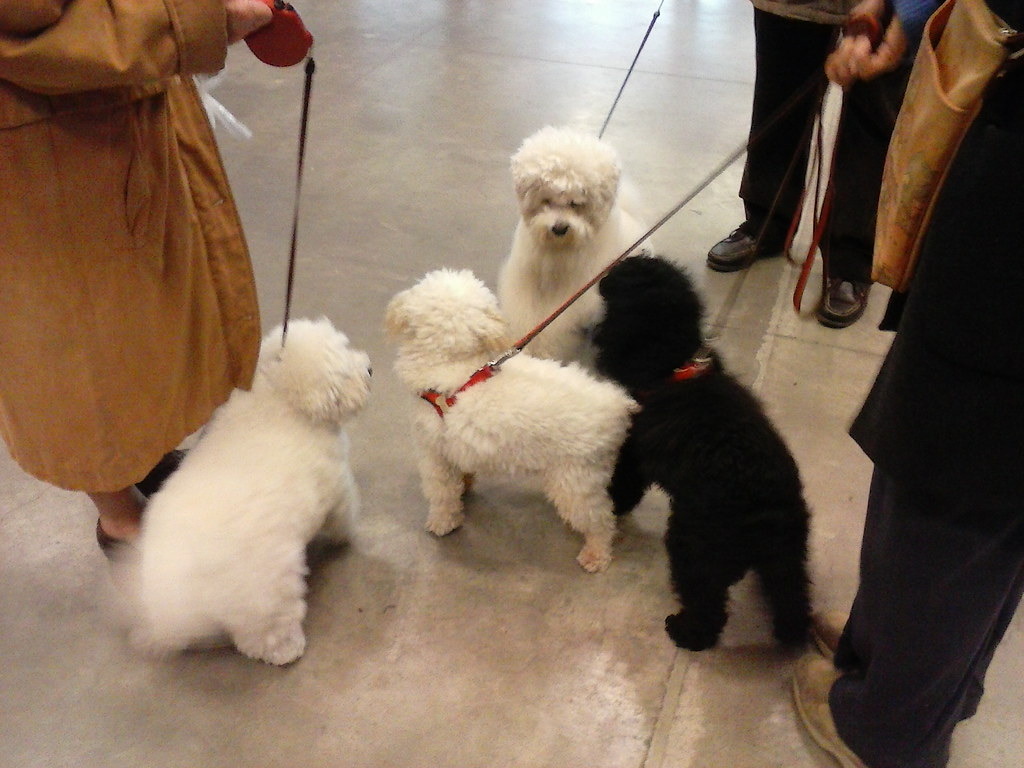
How many walks a day does an adult dog need
A healthy adult dog usually needs 3–4 walks a day, but the number matters less than their quality and consistency – one longer exploratory walk and a few shorter ones are enough for most dogs.
The exact number and length of walks depend on a dog's age, breed and energy level: a puppy needs more frequent but short outings, and the gap between an adult dog's walks shouldn't exceed 8–10 hours. Consistency also helps you notice changes in condition and appetite for movement, which can signal a health issue.
How long should a walk with a dog last – the key rules
If you're after a ready-made cheat sheet, here are the key rules for planning walks:
- A minimum of 3 walks a day – for most healthy adult dogs, with gaps no longer than 8–10 hours.
- One longer walk, 30–90 minutes – focused on exploration and sniffing, not just "doing its business."
- Puppies – the 5-minutes-per-month-of-age rule – short, frequent outings instead of one long walk.
- Older and short-legged dogs – shorter, more frequent outings – a long, intense walk can overload them.
- Quality matters more than length – a walk with room to sniff and explore tires a dog more than a brisk march along the same route.
Why the number of walks depends on a dog's age, breed and energy
The need for exercise isn't fixed – it depends on several factors worth considering when planning a day with a dog. Breed matters, since working breeds (like border collies or huskies) need far more activity than low-energy breeds (like French bulldogs). Age shifts that need in both directions: a puppy has less stamina but more energy in short bursts, while a senior dog needs calmer, shorter walks, though still regular ones.
A specific dog's energy level and temperament matter more than breed alone – two dogs of the same breed can have completely different needs. A good test is observing behavior at home: a dog that comes back from a walk still restless probably needs more movement, or a different kind of it (sniffing, not just marching). It's also worth remembering that mental activity (scent toys, training, hunting for treats) can partly replace physical tiredness – 15 minutes of that kind of work can equal a long walk.
Puppy, senior, active breed or calm breed – how to adjust walks
A puppy under 6 months needs short walks several times a day following the 5-minutes-per-month-of-age rule – if a puppy is 3 months old, a single walk shouldn't exceed about 15 minutes.
An active breed (like a border collie or Jack Russell terrier) needs longer, more intense walks than a calm breed – if your dog comes back from a standard walk still full of energy, it's worth extending the route or adding a training element.
A senior dog or a short-legged breed (like a dachshund or pug) needs shorter, more frequent walks at a calmer pace – if a dog starts stopping more often or reacting more slowly, that's a signal to shorten the route, not lengthen it.
A dog living in an apartment block without garden access needs more planned outings than a dog with its own yard – if you don't have a garden, it's worth spreading walks evenly through the day to avoid overly long gaps.
The most common mistakes when planning walks with a dog
Many owners plan walks around themselves rather than their dog's needs – here are the mistakes that most often come with that.
The first mistake is focusing solely on the number of walks rather than their quality – a brisk march with no chance to sniff tires a dog far less than a calm exploration of the same route.
The second mistake: the same routes and the same rhythm every day, with no new scents or elements of exploration, which leads to boredom and unspent energy.
The third mistake is walks that are too long and intense for a puppy or senior dog, which can overload joints that are still developing or already weaker.
The fourth mistake – ignoring signs of tiredness (slowing down, more frequent stops, heavy breathing) and continuing the walk "because that was the plan."
The fifth mistake: having no backup plan for days when weather or obligations shorten the time for a walk – without a spare mental activity at home, the dog is left with excess energy.
FAQ – frequently asked questions about walks with a dog
How many times a day does an adult dog need to be walked?
An adult dog needs to be walked at least 3 times a day, with gaps between walks no longer than 8–10 hours – the exact number depends on breed and energy level.
How long should a walk with a puppy last?
A walk with a puppy should last about 5 minutes per month of age, repeated several times a day – walks that are too long can overload still-developing joints.
Can one long walk replace several shorter ones?
One long walk can't replace several shorter ones, because a dog also needs regular chances to relieve itself and release energy throughout the day, not just once.
What does it mean when a dog needs more exercise than it's getting?
Unspent energy often shows up as restlessness at home, chewing objects, excessive barking, or trouble settling down after a walk.
Can scent toys replace part of a walk?
Scent toys and training can partly replace physical tiredness, since even 10–15 minutes of work with the nose and brain tires a dog in a way similar to a longer walk.
What ultimately decides the number of walks?
The number of walks matters, but their quality and consistency, matched to a specific dog's age, breed and energy, matter even more. It's worth watching your pet's behavior after a walk – that's the best indicator of whether it got as much exercise as it needs. If a dog has joint or heart problems or other conditions, the exact level of activity should ultimately be set by a vet.
How can DailyPetCare help?
DailyPetCare lets you track your dog's walks on a clear timeline, making it easy to spot whether their number and length are consistent, and to compare activity over time.
You might also like
10 Things Dog Owners Most Often Forget
Dog owners most often forget about booster vaccinations, deworming, tick protection, weight control and check-ups. See the full list and learn how to stop missing them.
What to Do When Your Pet Goes Missing
First steps when a dog or cat goes missing – where to report it and why an up-to-date microchip and tag matter so much.
Take care of your pet with DailyPetCare
Log walks, health, medication, photos and the most important moments of your pet's life in one place.
Download the app